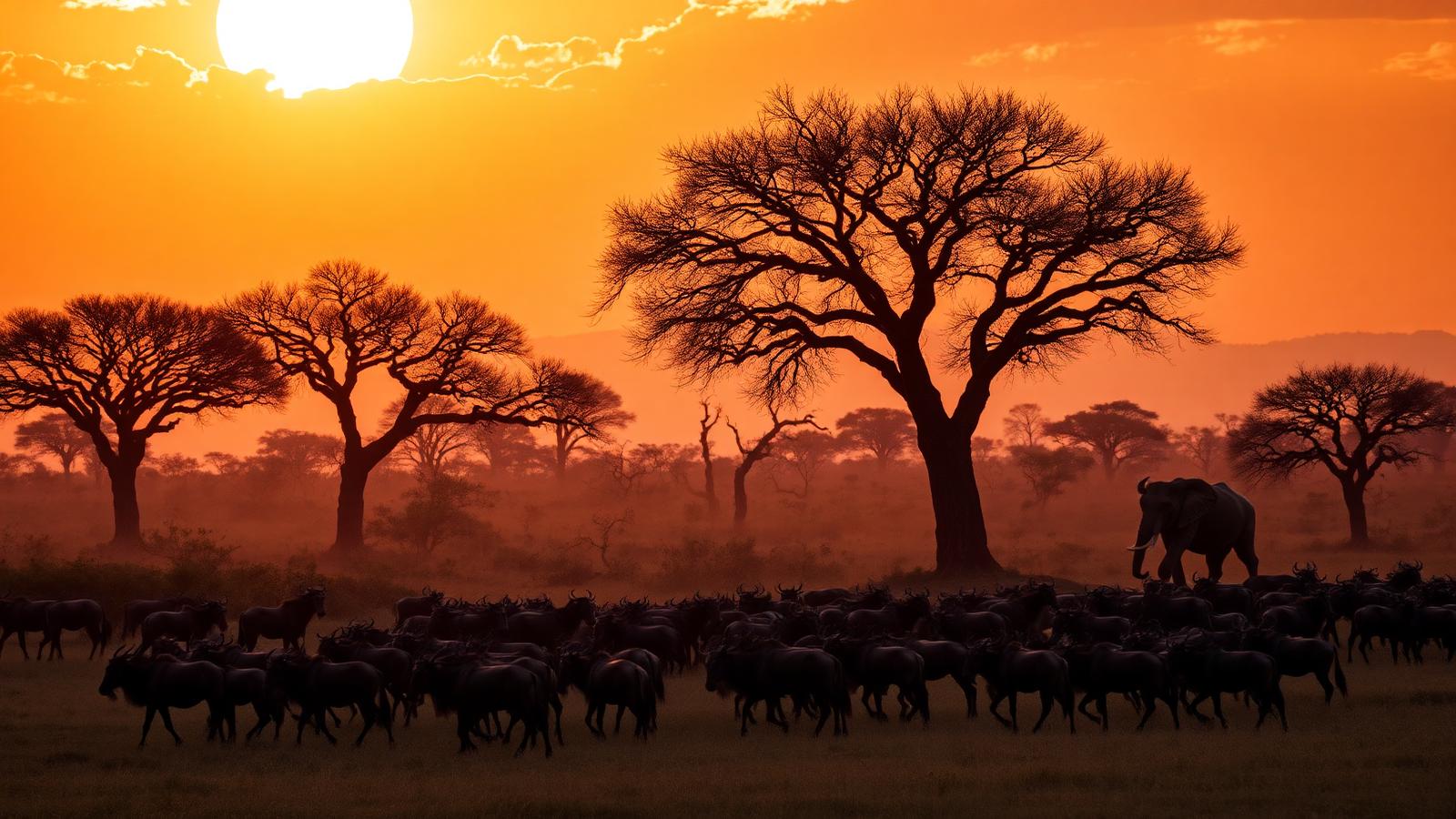
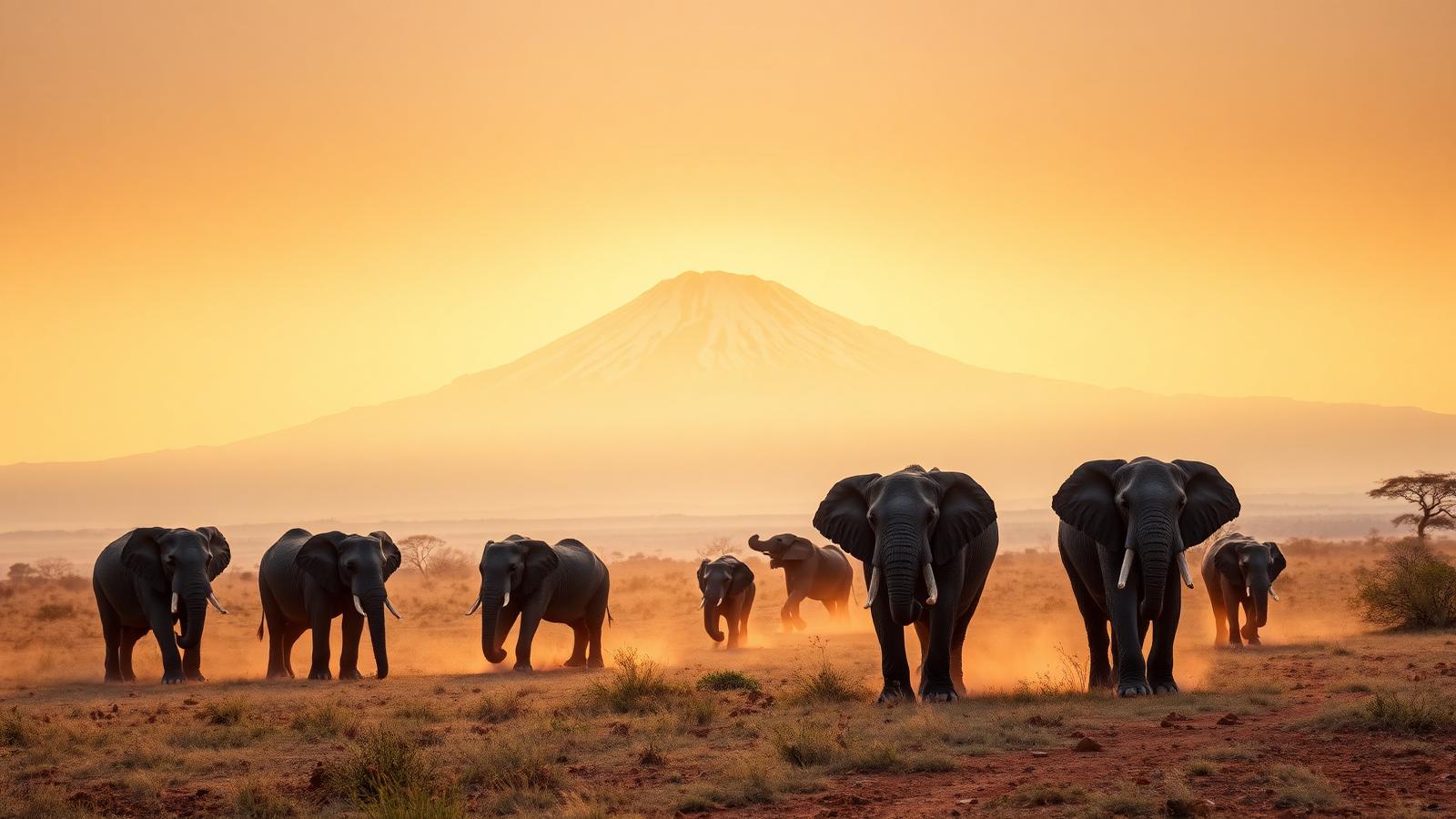
Amboseli's open pans frame Africa's most photographed view, huge tusker elephants strolling beneath the snow capped dome of Kilimanjaro. Big skies, easy spotting, unforgettable light.
- Iconic Kilimanjaro elephant photography
- Some of Africa's last great tuskers
- Open plains with excellent visibility
- Strong birdlife around the swamps
Best time to visit
June to October and January to February, dry seasons with clearer Kilimanjaro views (the mountain often hides by midday, so dawn and dusk are best).
Getting there
30-minute flight from Nairobi Wilson, or a 3.5 to 4 hour drive on the Mombasa road.
What you'll see
Wildlife you can reasonably expect on a typical Amboseli National Park game drive.
- Enormous elephant herds, including super tuskers
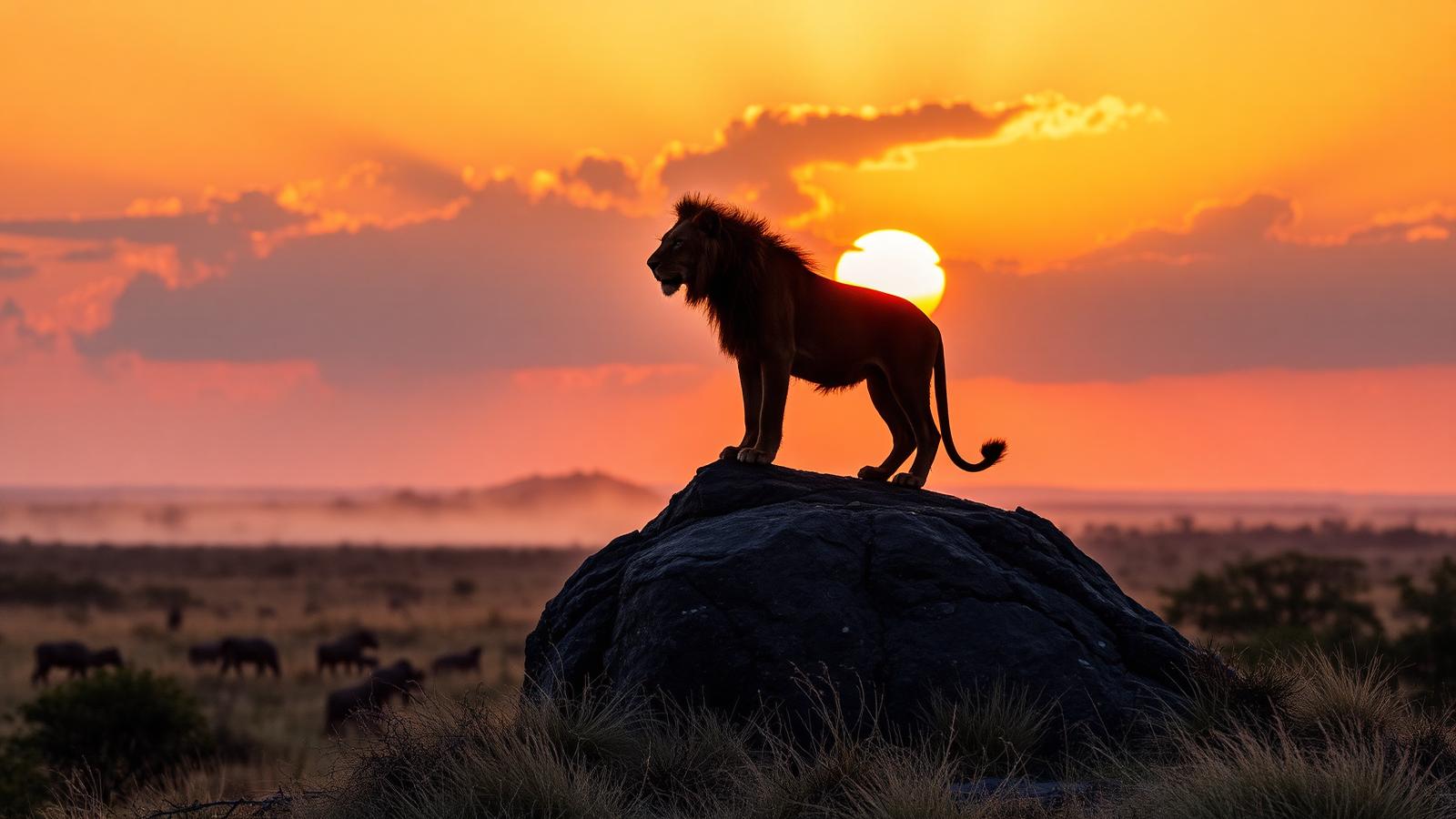
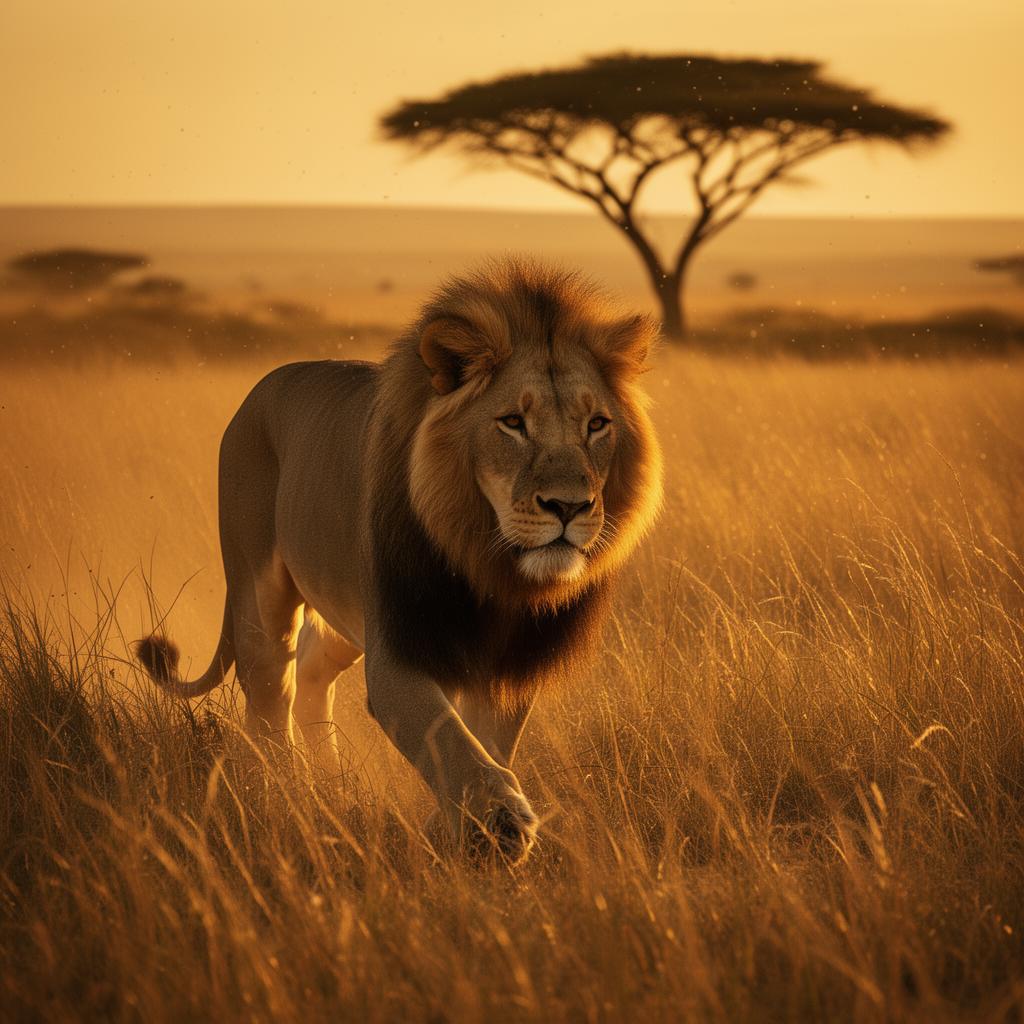
- Lion, cheetah, spotted hyena and serval
- Buffalo, giraffe, wildebeest and zebra
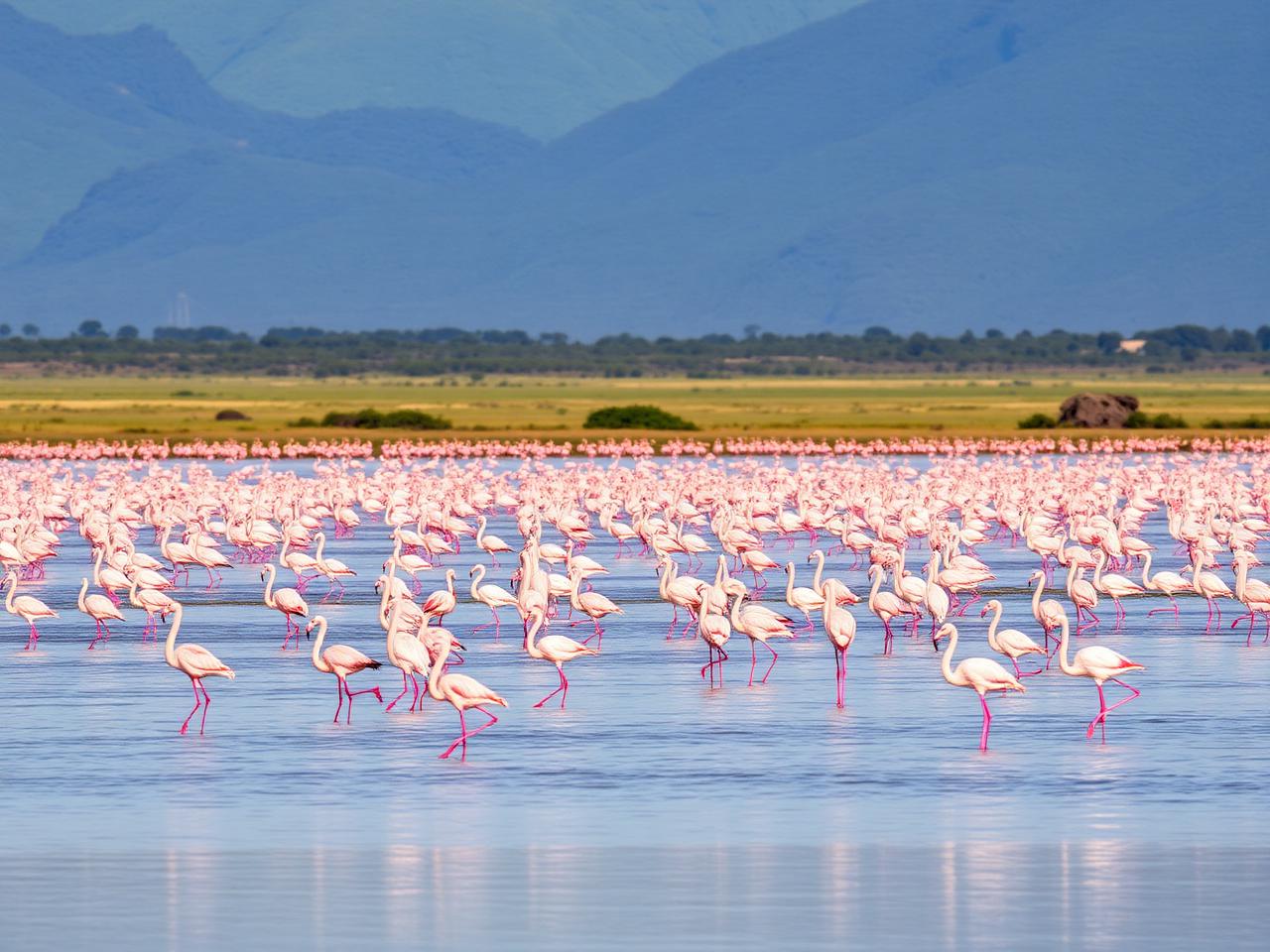
- Over 400 bird species, flamingos, pelicans, raptors
Experiences here
Observation Hill sundowner
Climb the only hill in the park for 360° views over the swamps and Kilimanjaro.
Elephant research visit
Meet the team behind the world's longest running elephant study.
Maasai cultural exchange
Visit a local village with proceeds going back to the community.
FAQ
Amboseli National Park , common questions
- How long should I stay?
- Two nights is plenty, the park is compact and Big 5 sightings come quickly.
- Can I combine Amboseli with the Mara?
- Yes, an easy connecting flight links the two. A classic 7-day trip is Amboseli + Mara.
- When is Kilimanjaro most visible?
- Sunrise, almost always. By 10am the cloud often rolls in.
Plan your Amboseli National Park safari
Tell us your dates and we'll send back a handcrafted itinerary, usually within 24 hours.